Metal Pooper Scooper Guide 2026: Why Heavy-Duty Steel Beats Plastic
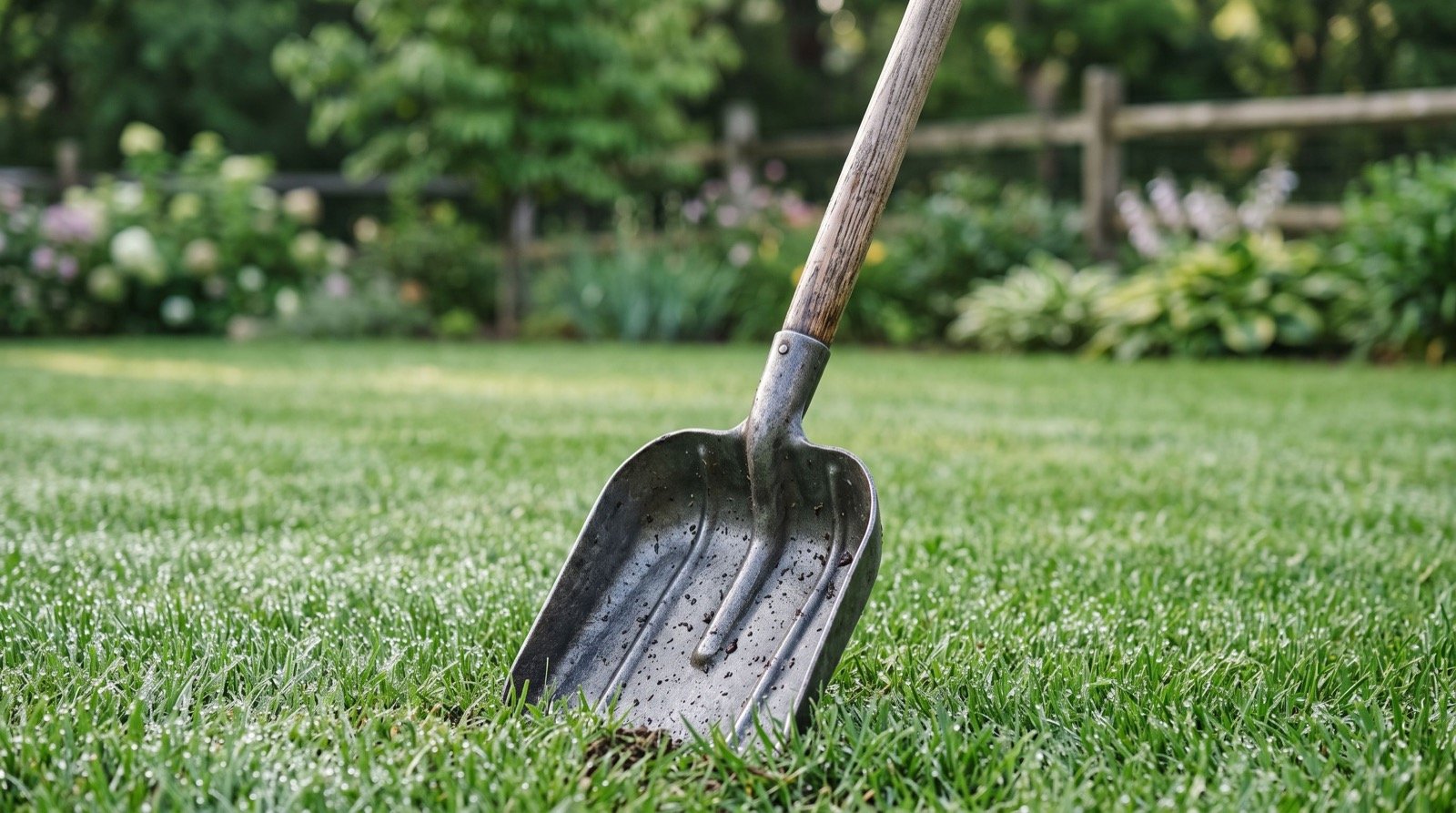
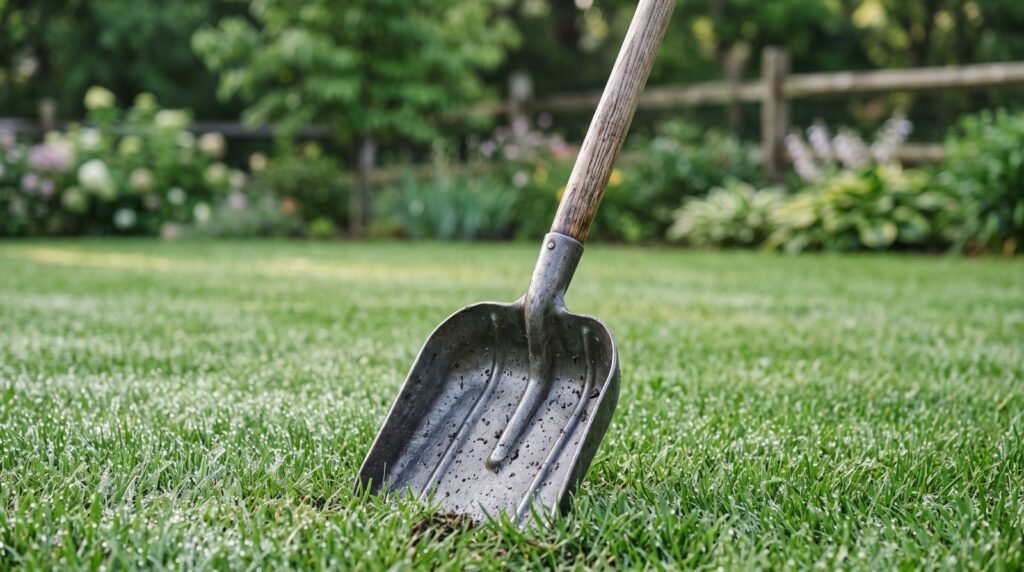
After a decade of cleaning up after three large dogs on a muddy half-acre lot, I have snapped, warped, and thrown away more cheap plastic scoopers than I care to admit. In 2026, a well-built metal pooper scooper is the single tool that has changed my yard routine the most. This guide breaks down materials, designs, and maintenance so you can buy once instead of five times.
I am not writing this from a spec sheet. Everything below comes from daily use across frozen winters, sticky summers, and gravel driveways that eat plastic hinges alive. If you have been frustrated by tools that flex, crack, or clog, a metal scooper is very likely your fix.
Why a Metal Pooper Scooper Wins in 2026
The core appeal is simple: rigidity. A metal pooper scooper does not flex when you press down on packed grass or scrape across concrete. That rigidity means you scoop in one pass instead of chasing a mess around the lawn.
Plastic tools feel fine in the store. Then the first cold snap arrives, the polymer stiffens, and the hinge shatters the moment you apply real force. Metal shrugs off temperature swings that destroy budget plastic within a season.
There is also a hygiene angle. Smooth metal surfaces rinse clean and can handle a bleach solution or boiling water without degrading. Porous or scratched plastic holds odor and bacteria far longer, which matters more than most owners realize.
Is a metal scooper worth the extra money?
For anyone with a medium or large dog, yes. The upfront cost is higher, but you replace it far less often. When I added up five years of disposable plastic tools, the metal option was cheaper per year and dramatically less annoying to use.
Steel vs Aluminum: Choosing Your Material
Not all metal is equal. The two materials you will actually encounter are stainless steel and aluminum, and each has a clear personality. Your choice should match your terrain and your grip strength.
Steel is the tank. It resists bending, handles rocky ground, and lasts for years with basic care. The trade-off is weight, which some smaller users find tiring during long cleanups.
Aluminum is the lightweight sprinter. It is easy to carry, will not rust, and suits owners who prioritize comfort. The catch is that thin aluminum can dent or bend if you pry against a buried root or curb.
| Feature | Stainless Steel | Aluminum |
|---|---|---|
| Durability | Excellent, resists bending | Good, can dent under prying |
| Weight | Heavier | Lightweight |
| Rust resistance | High (grade dependent) | Does not rust |
| Best terrain | Gravel, rocky, hard soil | Lawns, patios, decks |
| Typical lifespan | 5-10+ years | 3-6 years |
If you scoop on pavement and packed dirt, steel earns its keep. If you have a soft lawn and a bad shoulder, aluminum keeps the job pleasant. Either beats plastic on longevity by a wide margin.
Jaw and Rake vs Tray Designs
Material is only half the decision. The head design determines how the tool actually performs on different surfaces, and getting this wrong is the most common buying mistake I see.
A jaw or claw scooper clamps waste from above with a spring-loaded grip. A rake-and-tray combo drags waste into a scoop pan. Each excels in a specific setting.
- Jaw/claw: Ideal for grass, mulch, and uneven ground where a flat tray cannot slide underneath.
- Rake and tray: Unbeatable on hard, flat surfaces like concrete, decks, and patios.
- Long-handle both: Saves your back and keeps you upright, which matters for daily use.
- Non-slip grips: Look for coated or textured handles so wet hands stay in control.
My honest recommendation for mixed yards is to own one jaw-style metal scooper as your primary tool. It handles grass without gouging the lawn, and it works well enough on hard surfaces to cover the occasional driveway cleanup.
Which design is easiest on your back?
A long-handled jaw scooper, hands down. You stand fully upright and let the spring do the gripping. I noticed the difference in my lower back within the first week of switching away from a short-handled tray.
Maintenance, Cleaning, and Ergonomics
A metal scooper only stays superior if you treat it right. The good news is that maintenance takes seconds, not minutes. A quick routine keeps the hinge smooth and the surface hygienic.
Follow these steps after each heavy use, or at least weekly for light users:
- Rinse the head thoroughly with a hose to clear debris from the jaws or tray.
- Spray a diluted disinfectant or vinegar solution and let it sit for a minute.
- Scrub the corners with an old brush where residue likes to hide.
- Rinse again and shake off excess water to prevent any surface spotting.
- Once a month, add a drop of lubricant to the spring or hinge pivot.
Ergonomics deserve equal attention. Match the handle length to your height so you are not hunching. A cushioned grip prevents blisters, and a hanging hole lets you store the tool off the ground where it dries fully between uses.
For pairing your scooper with the right bags, I keep a roll of Heavy duty trash bags clipped to the handle so cleanup and disposal happen in one trip. Thin grocery bags tear against a metal edge, so thickness genuinely matters here.
When Metal Beats Plastic (and the Rare Exception)
Metal wins for large dogs, multi-dog households, rough terrain, cold climates, and anyone tired of replacing tools. The strength, hygiene, and lifespan advantages are decisive in these cases.
According to the U.S. Environmental Protection Agency, pet waste is a genuine source of water pollution when it is not collected promptly, so a reliable tool that gets you scooping consistently has real environmental value beyond convenience.
The rare exception is a tiny toy-breed owner with a small balcony, where an ultralight plastic tray may feel adequate. Even then, a compact aluminum scooper usually serves better. When you are ready to upgrade, this Pooper Scooper metal option is the style I recommend to friends starting out.
If you want hands-on setup advice for your specific yard, the folks behind this store operate as an experienced local team who can point you to the right configuration.
Frequently Asked Questions
Do metal pooper scoopers rust?
Quality stainless steel and aluminum resist rust well. Cheaper coated steel can rust if the coating chips, so rinse and dry the tool after use and add occasional hinge lubricant to keep it pristine.
Can I put a metal scooper in the dishwasher?
I do not recommend it for hygiene reasons around food surfaces. Instead, hose it down and use a diluted disinfectant or vinegar solution outdoors, which cleans metal effectively without cross-contaminating your kitchen.
How long should a good metal scooper last?
With basic care, expect five to ten years or more from stainless steel and three to six from aluminum. That easily outlasts a stack of disposable plastic tools bought over the same period.
Is a jaw or tray style better for grass?
A jaw or claw style is better for grass because it grips from above without gouging the lawn. Trays work best on flat, hard surfaces where they can slide cleanly underneath the waste.
Bottom line: in 2026, a heavy-duty metal pooper scooper is the smart, durable, and more hygienic choice for the vast majority of dog owners. It saves money over time, spares your back, and simply gets the job done in one pass.
Ready to stop replacing broken plastic? Upgrade to a metal scooper built to last, pair it with genuinely tough bags, and reach out to the local team if you want help choosing the right setup for your yard today.